Who we are 01
Education Rooted in Nature, Character and Community
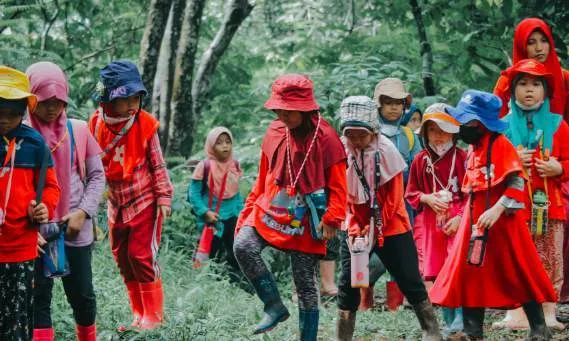
SAI Meruyung is a community-based school in Depok, operating since 2012 as part of Komunitas SAI. Children learn close to nature, real life, family and community, building character through direct experience rather than classroom instruction alone.
- 01Noble Character / Akhlak Mulia
- 02Scientific Reasoning / Logika Ilmiah
- 03Leadership / Kepemimpinan
- 04Entrepreneurial Spirit / Jiwa Wirausaha
- 05Care and Conservation of Nature / Cinta & Konservasi Alam
- 06Community and Collaboration / Komunitas & Kolaborasi
- 07Benefit to All Creation / Rahmatan lil 'Alamin
What the model aims at
Track record
A local school within Komunitas SAI, in Depok, West Java.
71 Grade 5 and Grade 6 students took part in a published learning activity using discussion, flash cards and gardening.
Forest restoration work in Lampung begins, reaching 21,500 seedlings planted by 2026.
Third edition of the student film festival, screened in a commercial cinema. 611 registrations from the school community.
The vision is already alive. What follows is the concept behind it, then the permanent place it needs.
Sources: SAI Meruyung; Sekolah Alam Indonesia; Ariani et al. (2020); Apakabar (2026).
Why 02
More than Just a School. It is an Education Movement
SAI began from a concern, not a business plan: that schooling had drifted away from children, families and real life. At SAI Meruyung, this educational commitment is supported by A accreditation.
Why SAI exists
The founding answer
Invest in teachers, method and experience rather than in expensive buildings. It is also the argument behind this land.
Objective: what SAI believes
Abdullah - QS. 51:56The human purpose begins with worship and conscious service to Allah.
Khalifatu fil Ardh - QS. 2:30Children are prepared to become responsible stewards of the earth.
Lil Muttaqina Imama - QS. 25:74Education should form people who can lead in goodness and taqwa.
Baldatun Thayyibatun wa Rabbun Ghafur - QS. 34:15The school community learns toward a good, sustainable and grateful society.
Rahmatan lil ‘alamin - QS. 21:107The widest aim is benefit, compassion and mercy for all creation.
Learning here is not only about mastering lessons. It is about becoming a person who can live well, think clearly, act responsibly and bring benefit to others.
Educational concept of Komunitas SAI, as practised at SAI Meruyung.
How 03
How Children Learn and How Parents Take Part
SAI designs learning as a journey. The method changes as children grow, but the direction stays the same: helping them become capable learners, mature individuals and useful members of their community.
School beyond the wall
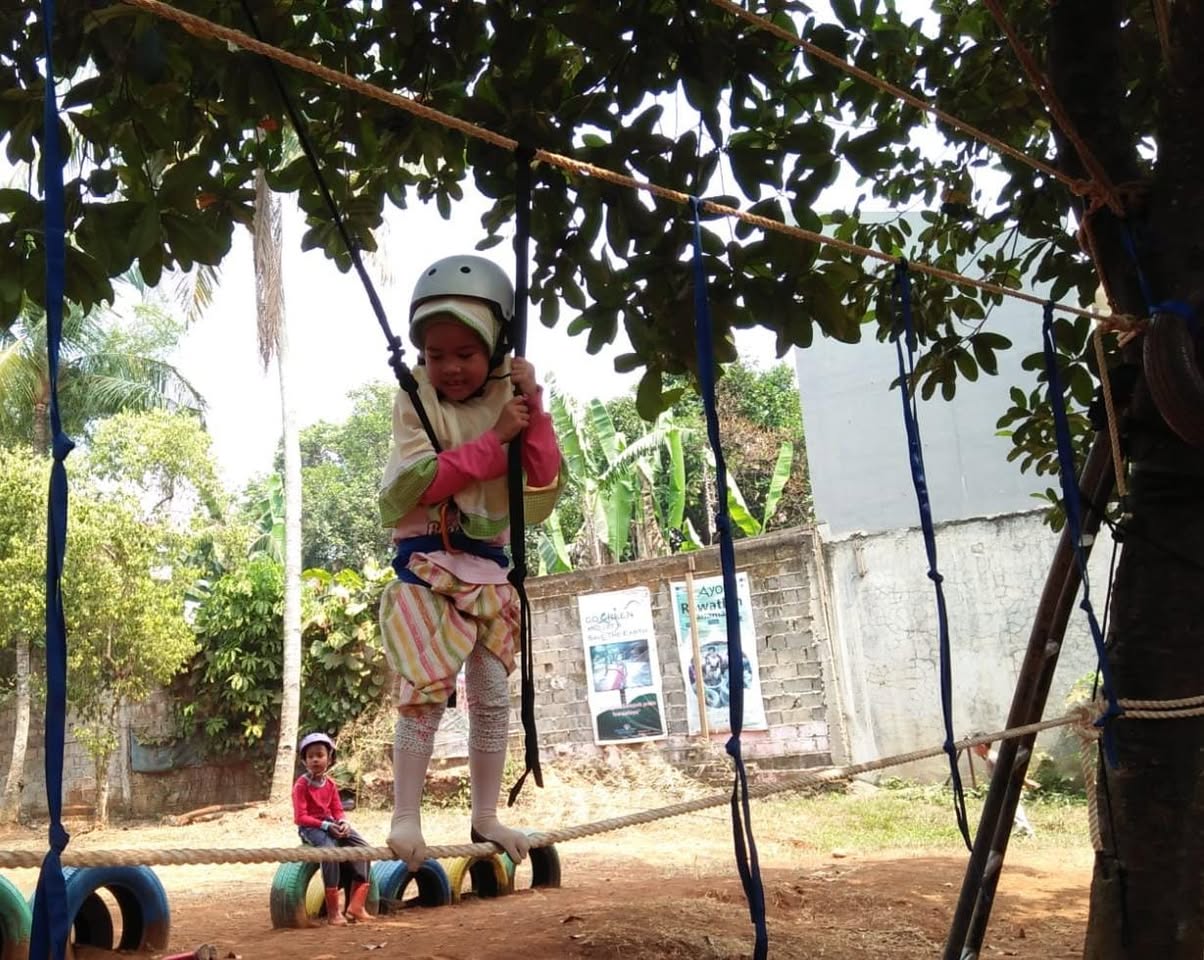
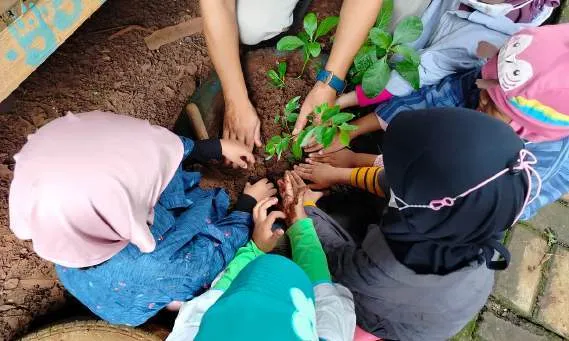
The classroom is a saung: a place to shelter, rest and gather. Learning runs across gardens, rivers, markets and the village.
The learning journey
Method changes with age, direction does not. Learning takes shape through entry events and project celebrations: Indonesian Day, Science Fair, Market Day, EduPark, Language Fair, class and school exhibitions, outings, day camp and Ramadhan camp.
How we know children have learned
SAI is not a workshop or a laundry service where parents leave children to be fixed and returned clean without taking part in the process. Facilitators are partners with parents in educating children, so parents are expected to be actively involved in their children's learning. That involvement runs from mentoring and guidance at home to acting as evaluators during examinations and celebrations.
Education works best when school and family move in the same direction.
A movement like this needs ground of its own. The next pages set out the permanent site that makes it possible.
What 04
The Land and Campus
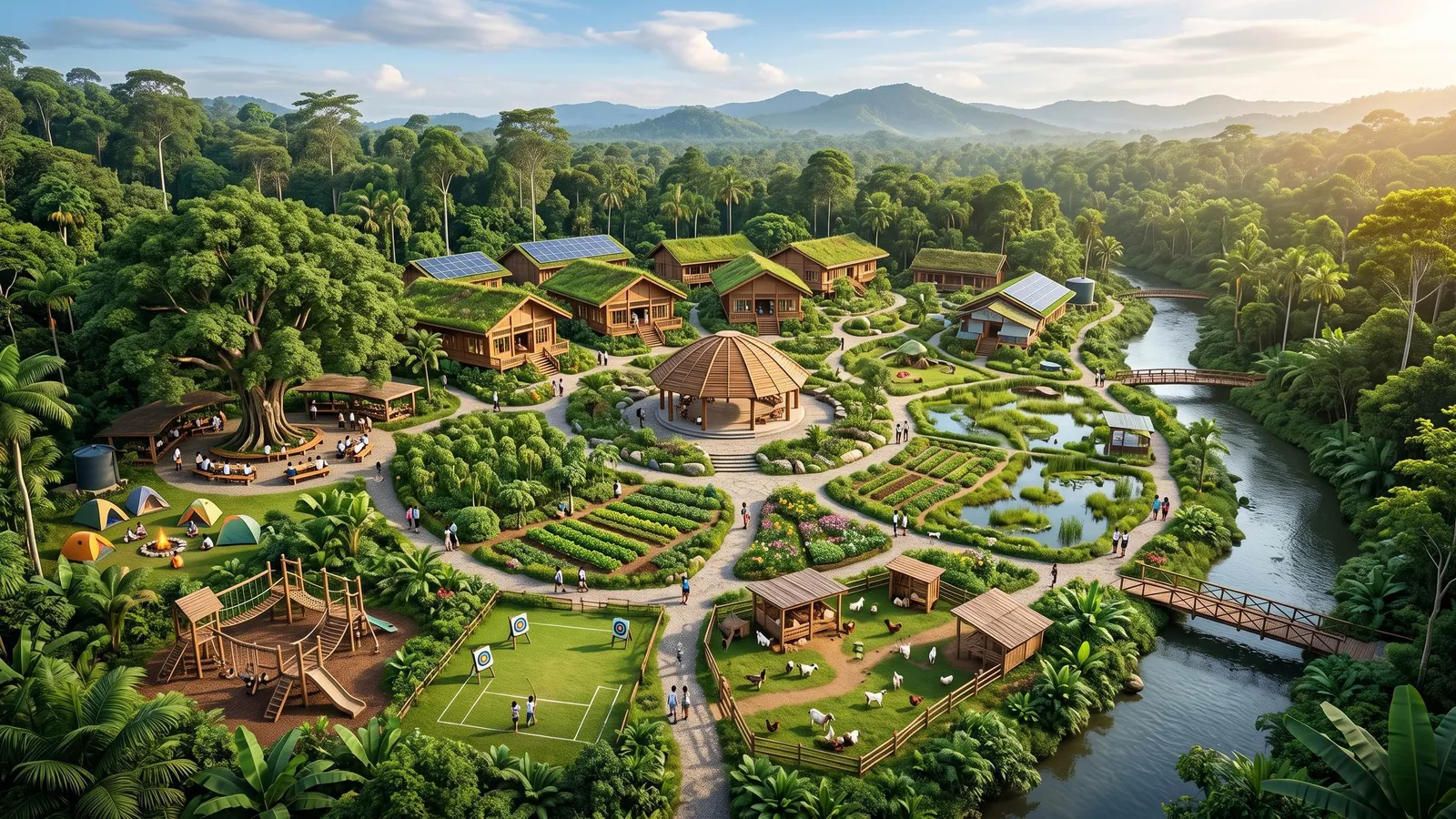
The next step is to secure a permanent educational site of approximately 4,000 m² in Depok, around 300 metres from the current school. It is the foundation for a campus that can carry learning, worship, family and community life over the long term.
Seven learning labs the land makes room for
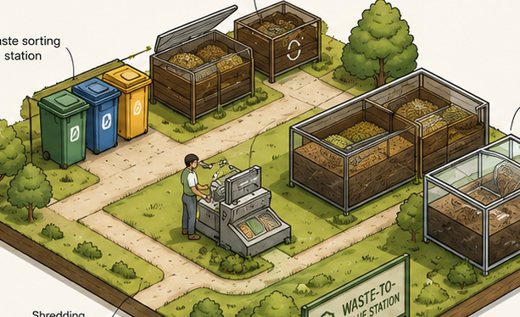
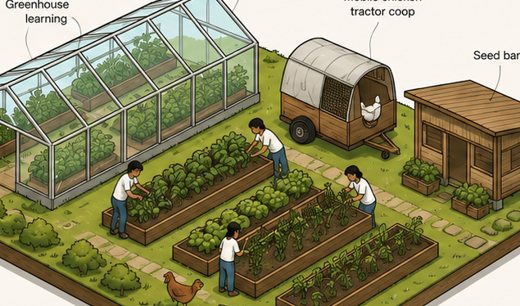
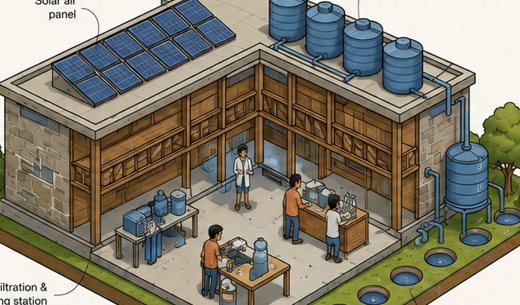
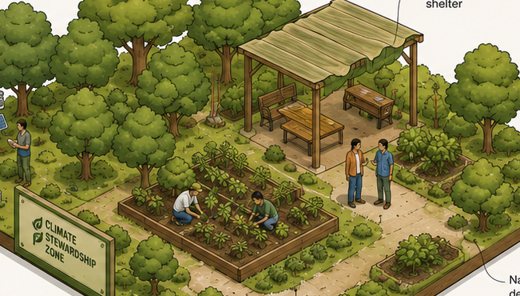
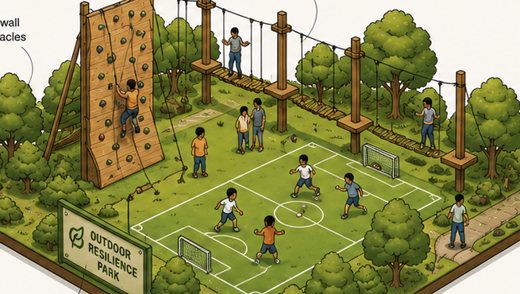
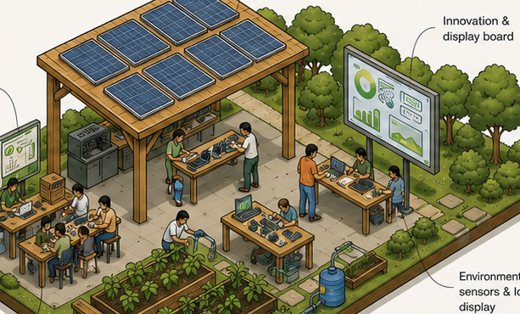
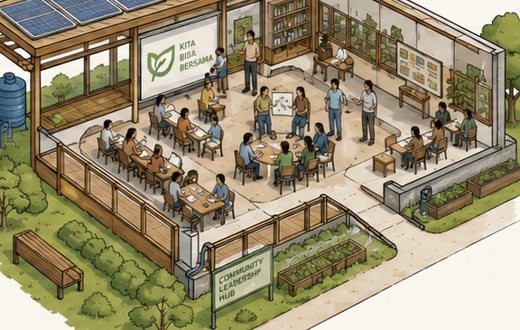
Each lab is a working part of the campus, not a display. Layout and sizing remain subject to technical development.
What it takes to build, by category
| Category | Requirement | Secured | Remaining |
|---|---|---|---|
| Land acquisitionCurrent priority. Approximately 4,000 m² at Rp2,250,000 per m², intended to be held as waqf. | Rp9.000 billion | Rp2.741 billion | Rp6.259 billion |
| Core campus infrastructureOpened after the land is secured. Classrooms, library, green laboratory, mosque and auditorium, teacher facilities, sanitation and access. | Rp7.206 billion | Not yet opened | Rp7.206 billion |
| Total, both categoriesRaised, recorded and reported as separate funds. Thematic learning facilities and program activation form a later stage and are deliberately not costed here. | Rp16.206 billion | Rp2.741 billion | Rp13.465 billion |
Land 30.5% secured, both categories 16.9%, as of 1 May 2026. The infrastructure fund opens once the land is secured.
The land is not the destination. It is the foundation for what education can become.
What 05
What SAI Has Already Built
Before asking for a permanent site, here is what the school and its community have already delivered. Every line carries its date or its count.
Community and family life
Forest restoration in Lampung, May 2023 to April 2026: 21,500 seedlings of 10 species, 2 hectares planted, 31 wildlife species recorded in 2025, and fire response support in 15 of 23 fire events. A conservation hall broke ground in January 2026.
Qurban 1446H distributed 1,189 meat packs from 4 cattle and 25 small livestock.
A 2019 classroom activity with 71 Grade 5 and 6 students was published in 2020. Knowledge of the subject rose from 41.2 to 88.2 percent in Grade 5, and from 91.9 to 100 percent in Grade 6.
A fatherhood pocket book and its free public guide were published in 2026.
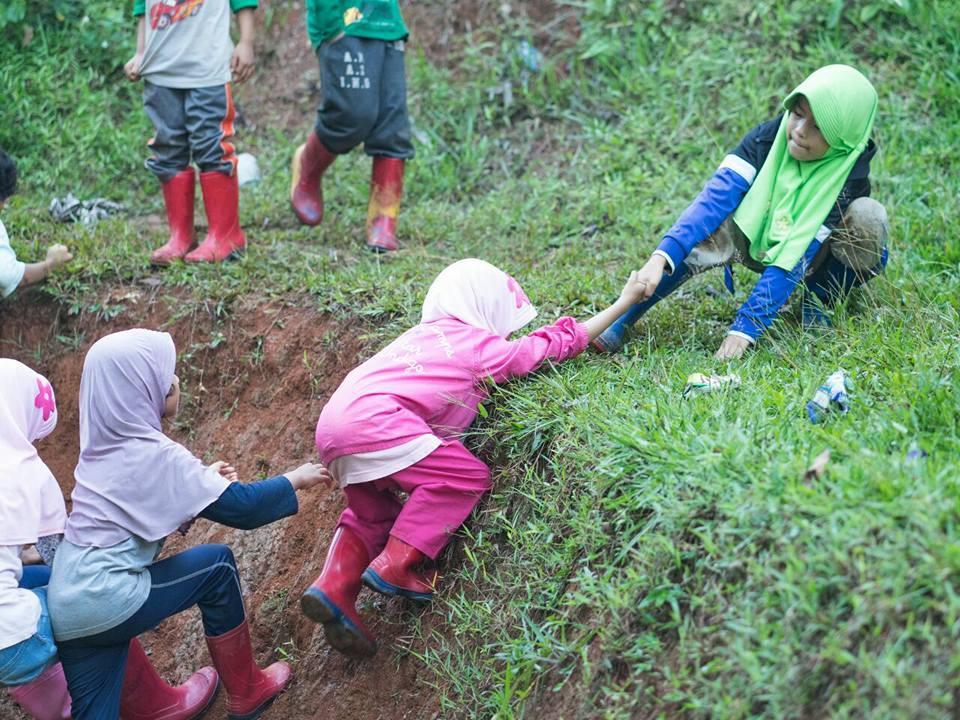
And the waqf itself
Figures are drawn from the school's own records and its published pages. Items without a date or a count are left off this page.
The record is real, and it has been built on land the school does not own.
What 06
A Place for Next Generation Education
The campus itself becomes part of the curriculum. Buildings, gardens, water systems and open ground are planned as learning material, not only as facilities. Timber, open corridors and natural light are chosen so the building teaches what the school teaches.
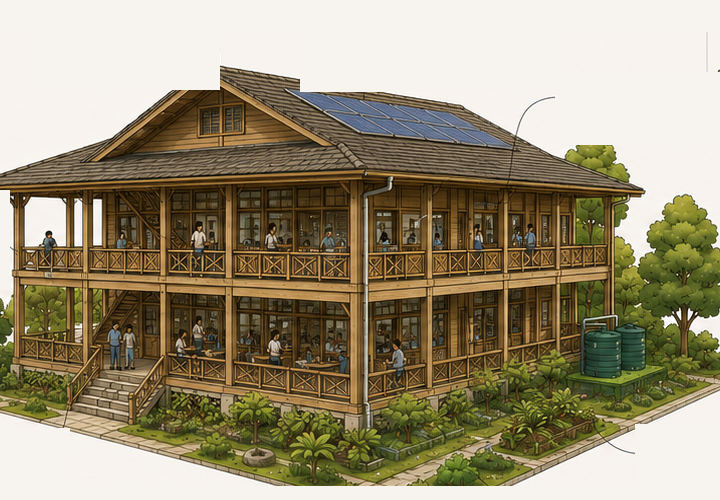
Children learn to connect knowledge with character, worship, responsibility and stewardship of the Earth.
Learning develops initiative, resilience, cooperation and the confidence to take responsibility.
Children learn through real environmental, social and practical challenges, not only through classroom instruction.
Knowledge is developed not only for personal achievement, but also to create benefit for family, community and society.
Four learning fields
The seven program zones in the campus plan group into these four fields. Zone sizing remains subject to design development.
What the land makes possible
The same ground carries three uses: daily learning through the school week, worship and assembly, and family and community activity outside teaching hours.
In a published 2019 activity at SAI Meruyung, 71 Grade 5 and Grade 6 students learned about medicinal plants through discussion, flash cards and gardening. Grade 5 knowledge of the definition increased from 41.2% to 88.2%, while Grade 6 increased from 91.9% to 100%.
Ariani et al., Indonesian Journal of Community Engagement, 2020. Evidence of one experiential learning activity, not a claim about all learning outcomes.
Proof 07
A Place That Serves Beyond the School
Education is the starting point. Benefit should extend beyond it, to families, to the surrounding community, and to the generations that follow. A permanent site is what allows each of those circles to widen instead of resetting with every change of location.
A permanent place allows benefit to expand outward.
Character, knowledge, independence, leadership, resilience and environmental responsibility.
Family participation, parenting, shared learning, the connection between home and school, and father involvement in a child's education.
Environmental learning, food and gardening knowledge, waste management practice, workshops and skills, community leadership and collaborative spaces.
Permanent educational land, learning infrastructure, accumulated knowledge, environmental practice, community relationships, and an institution able to continue serving.
Proof of benefit beyond the classroom
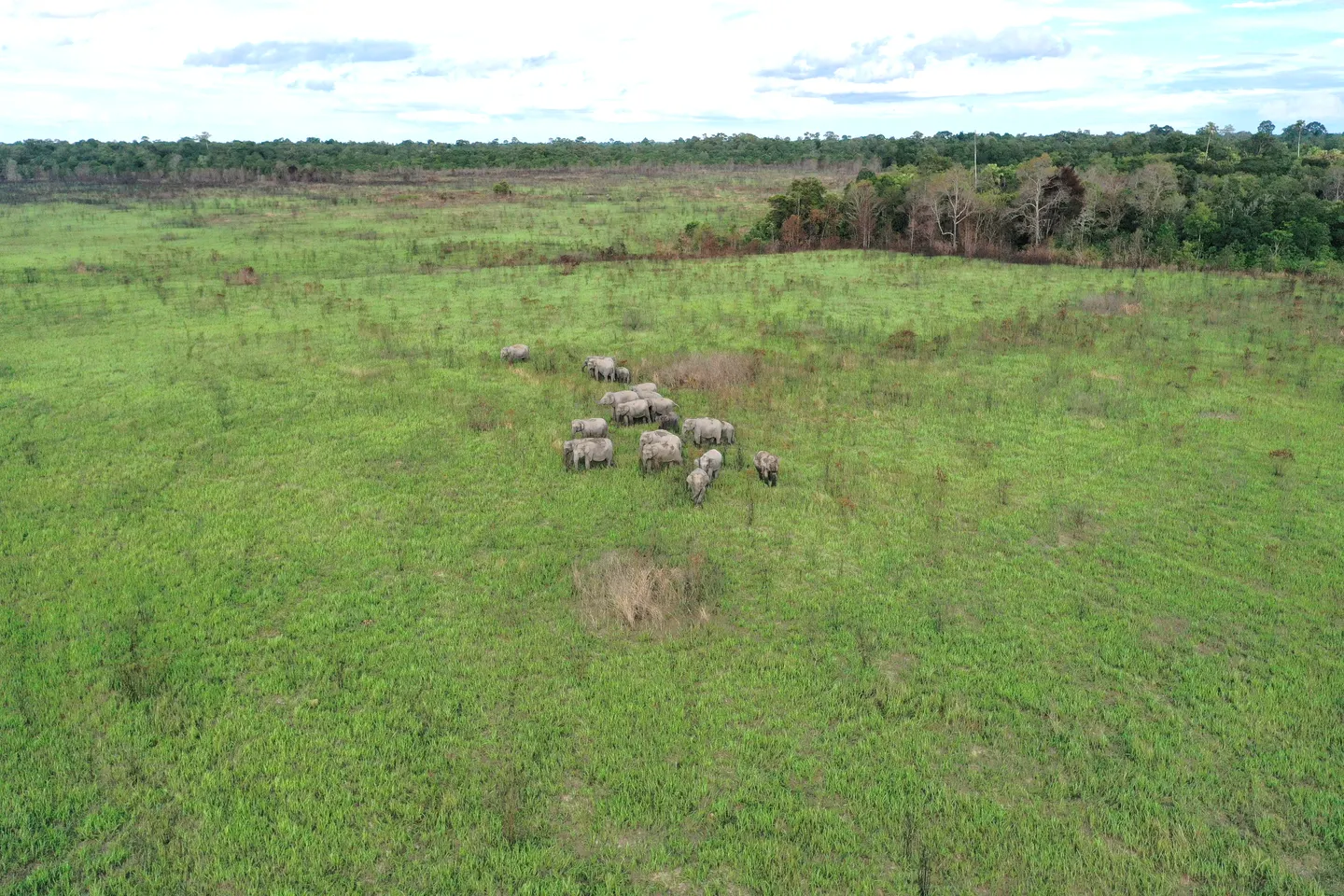
Forest restoration in Lampung since May 2023: 21,500 seedlings of 10 species, 2 hectares planted, 31 wildlife species recorded in 2025, and fire response support in 15 of 23 fire events.
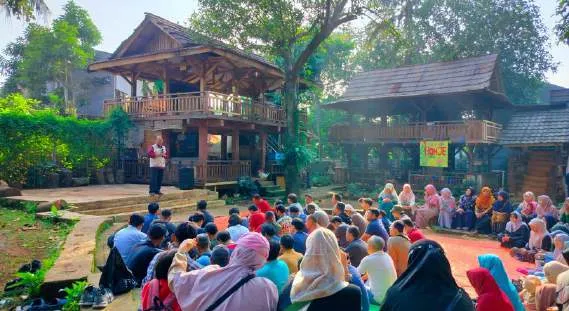
Parenting education, family trekking and camping, the school's fatherhood movement, green living and land waqf activity keep families inside the life of the school.
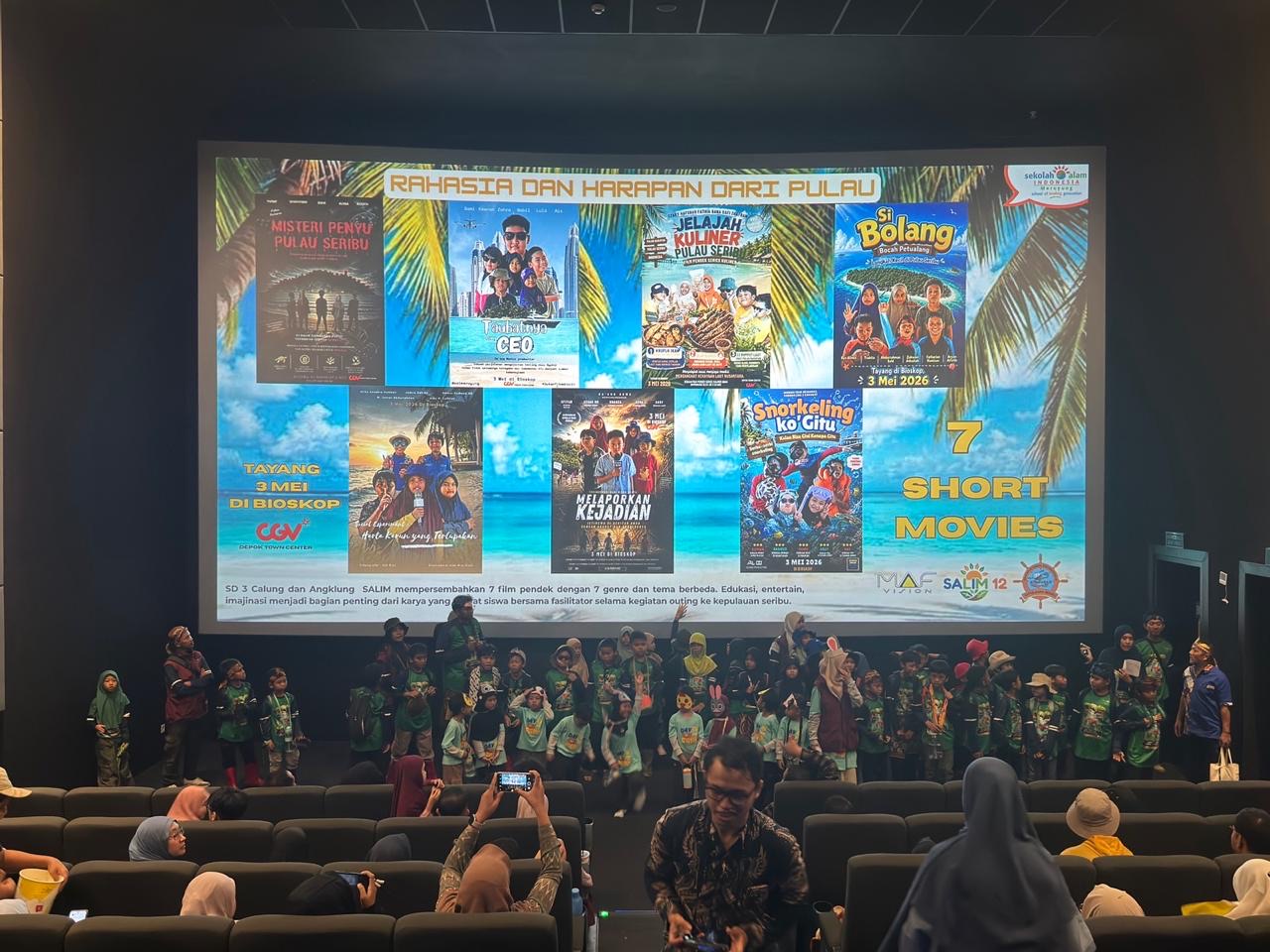
The third student film festival, May 2026, put project work on a commercial cinema screen. 611 registrations, with 243 families attending.
Impact we intend to measure
Sources: SAI Meruyung Community; Ruang Baik (2025); Apakabar (2026). Categories are reporting intentions, not committed targets.
Proof 08
Standing with Palestine, Living Islamic Values
Solidarity, compassion and action at SAI. Solidarity here is not taught only in words. It is nurtured through faith, empathy and real acts of care.
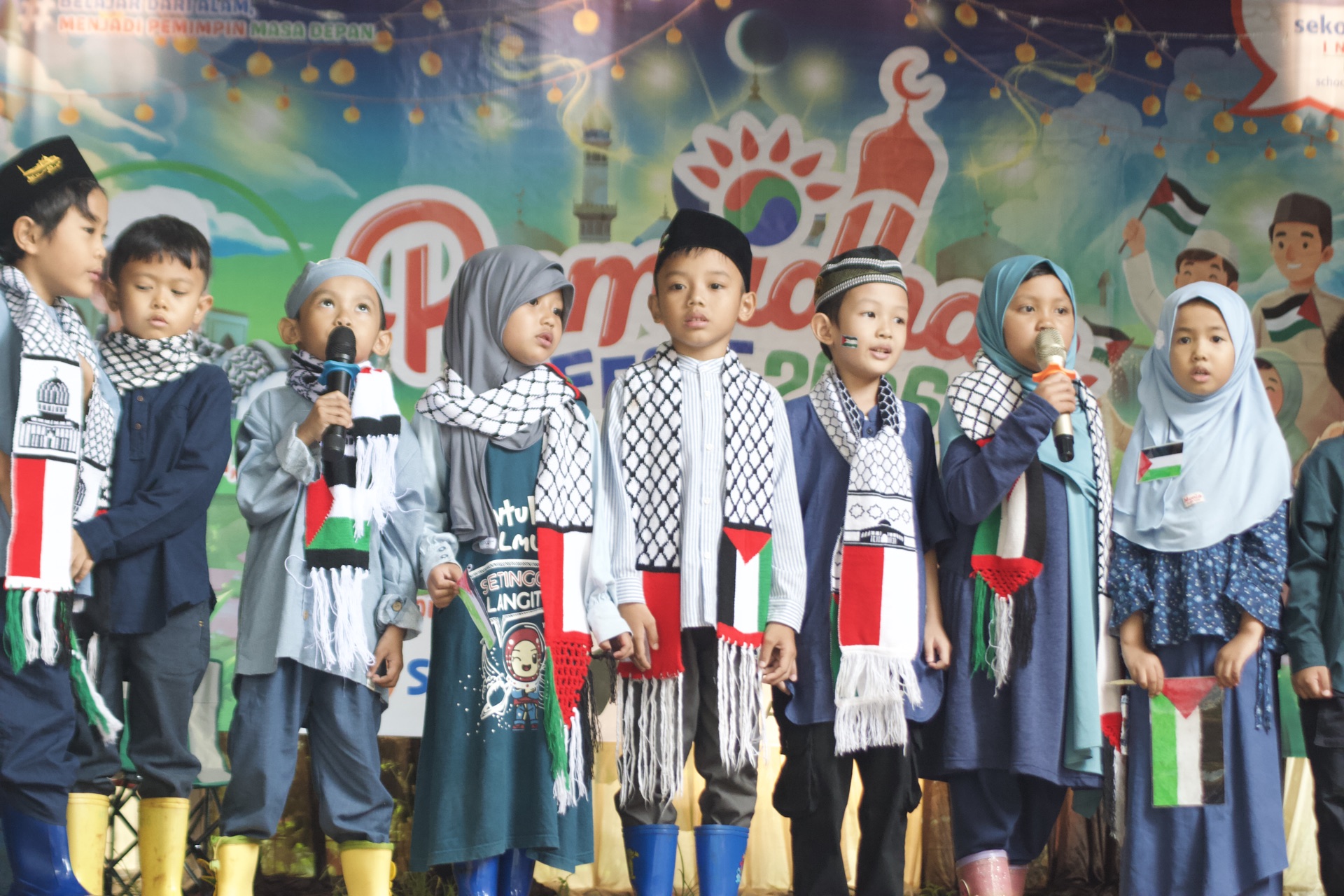
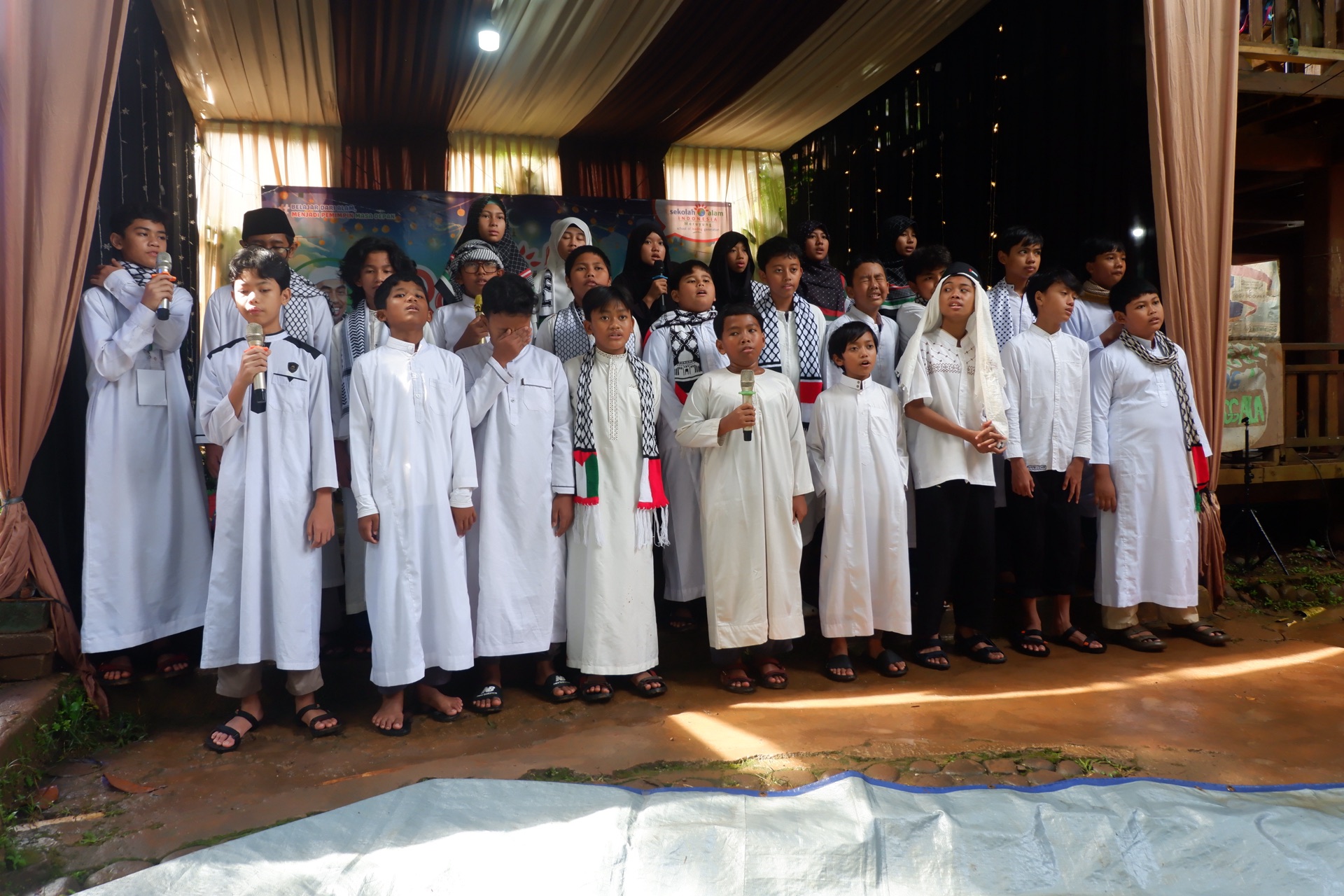
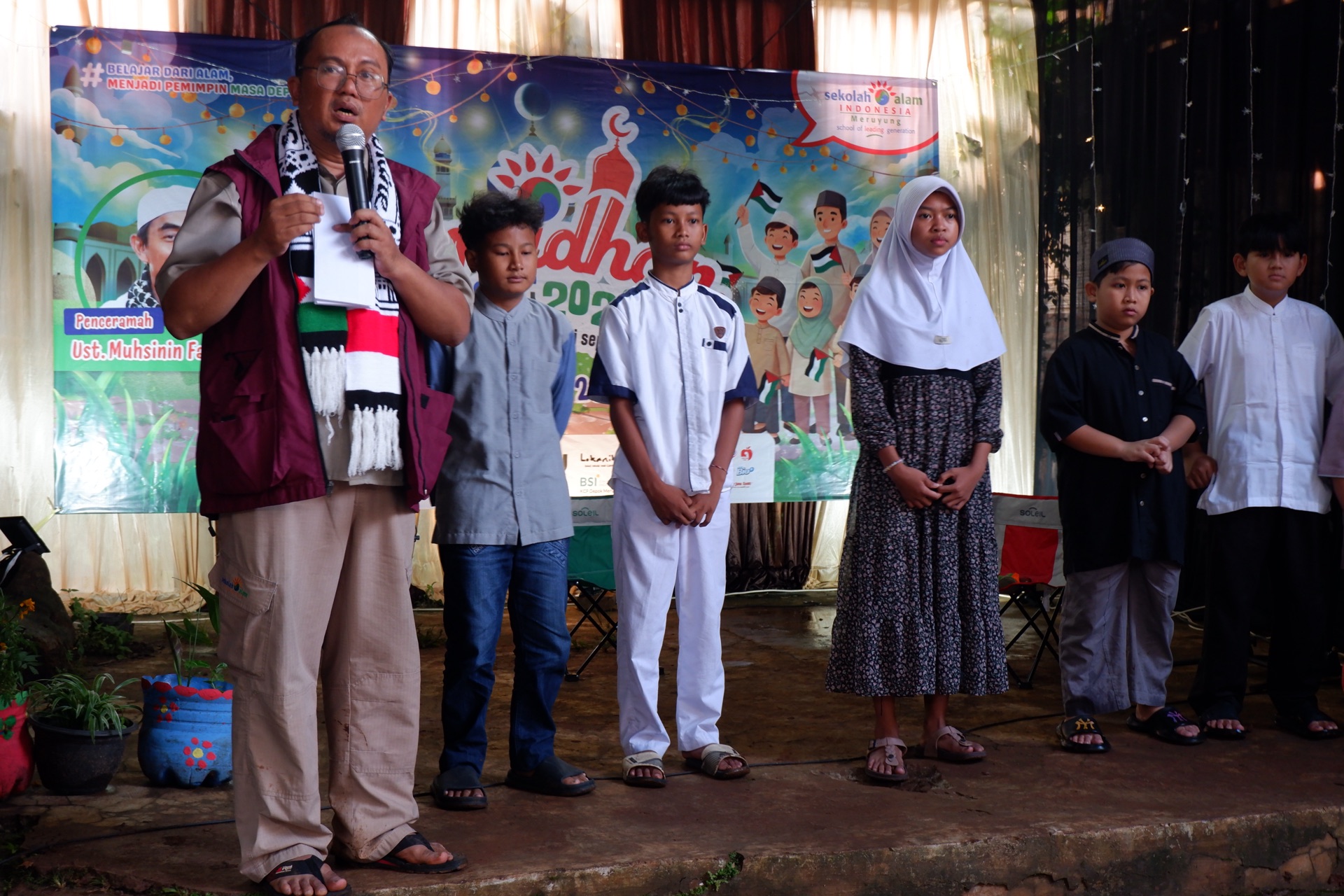
Rooted in Islamic values and real life experience, students are encouraged to care for others, respond to suffering, and bring benefit to the wider community.
Standing with Palestine
Through school activities and shared expressions of concern, children are introduced to empathy, courage and solidarity. Support for Palestine becomes part of a wider effort to help them understand that faith also means caring for people facing hardship.
The aim is not only awareness, but children who are sensitive to the suffering of others and willing to respond with prayer, care and meaningful action.
Islamic values that shape daily learning
The educational philosophy rests on noble character, real life learning and community. Komunitas SAI describes its mission as developing a leading generation with noble character through real life experience within community, affirming rahmatan lil 'alamin by encouraging students to become agents of peace and goodwill.
At SAI, faith is meant to be lived. It is expressed through compassion, solidarity, family responsibility, and care for the wider ummah.
Sources: Sekolah Alam Indonesia; SAI Meruyung Keayahan; Ruang Baik and SAI Meruyung, March 2025.
Invitation 09
A Contribution That Continues to Serve
This is a wakaf pendidikan: land given once, held permanently, and dedicated to education. Programmes and generations change; the ground keeps serving children, families and the community around it.
How we engage our supporters
| Priority | Supporter experience | Examples |
|---|---|---|
| Impact | See the benefit created | Progress updates, impact reporting, project documentation |
| Participation | Take part in meaningful activity | Family activities, volunteering, community programs |
| Legacy | Create a lasting connection | Founding record, family legacy record, selected physical recognition |
| Access | Stay close to the project | Site visits, project briefings, milestone invitations |
| Recognition | Be acknowledged appropriately | Public, community or private recognition |
Recognition is personal. Supporters may choose public, community, private or anonymous recognition. Physical naming and permanent recognition are subject to institutional, legal, waqf, design and governance considerations.
Partner With Us in Building This Vision
This campus is intended to become more than a school. It is a place for learning, character, family, community and service to grow together. We invite individuals and families who share this vision to become partners in making it possible, and we hope to establish a permanent place that continues to serve the next generation and the wider community.
Start a conversation
Wakaf.sai@gmail.com
Wakafsai.org
saimeruyung.sch.id
For a private discussion on the land, the development plan, or an appropriate form of support, please contact the SAI Meruyung team.
Figures stated in this brief reflect the position as of 1 May 2026. Five year figures are planning targets, not current results.